
From Barter to AI: The Remarkable Journey of Finance Through Time

Imagine standing at the dawn of human civilization, witnessing the first-ever financial transaction.

Fast forward through centuries of innovation, conflict, and discovery, and you find yourself in the present day — a world where artificial intelligence shapes our financial decisions.

This journey, from the barter systems of early human societies to the AI-powered finance of the 21st century, is not just a story of numbers and transactions but of human progress and the unending quest for better solutions.

Join us as we embark on a voyage through the historical timeline of finance, exploring each era’s unique contributions to the financial world we know today.

The Dawn of Finance: Barter and Early Currency (Pre-600 BCE)

In the beginning, there was barter. Goods were exchanged for goods, and value was a matter of negotiation. However, as societies grew, the limitations of barter became clear. Enter the dawn of currency — from livestock to shells, and eventually to metal coins. This era set the foundation for the concept of ‘money’ as a medium of exchange, a store of value, and a unit of account.

Classical Antiquity: Coins and Banking (600 BCE – 500 CE)

The invention of coinage in ancient Lydia (now Turkey) revolutionized trade, enabling more precise value exchange and fostering economic growth. Banking emerged in ancient Greece and Rome, with institutions accepting deposits, making loans, and even exchanging currency. This period laid the groundwork for modern financial systems, emphasizing the importance of trust and standardized currency in economic transactions.

The Middle Ages: Letters of Credit and the Rise of Bonds (500 CE – 1500 CE)

As trade routes expanded, carrying large amounts of coins became impractical and dangerous.

The solution? Letters of credit. This innovation, alongside the introduction of government and corporate bonds in medieval Italy, signaled a shift towards more sophisticated financial instruments, facilitating larger-scale trade and investment projects.

The Renaissance: The Birth of Modern Finance (14th – 17th Century)


Imagine walking through the bustling streets of Florence in the 14th century, amid the fervor of the Renaissance. This era wasn’t just a rebirth of art and culture but also marked the early dawn of modern finance.

The Medici family, renowned as patrons of the arts, were also pioneers in the banking world. Their innovative practices, such as double-entry bookkeeping, laid the groundwork for the financial systems we rely on today. This period saw the rise of bills of exchange as a precursor to modern checks, enabling traders to conduct business across great distances without the perilous transport of coinage.

The Renaissance also witnessed the formation of the first public debt. As governments began to borrow money to fund exploration and wars, they issued bonds to the public, promising repayment with interest. This system financed ventures like Columbus’s voyage to the Americas and laid the foundations for the public finance systems that underpin modern economies.

The Digital Age: Technology Transforms Finance (Late 20th Century)

Expanding Influence: Global Trade and Financial Innovation. As European explorers charted new territories, they established trade routes connecting the East and West. This global trade network necessitated even more complex financial systems, leading to the development of various financial instruments. Insurance, initially conceived to mitigate the risks of maritime voyages, evolved into a sophisticated market that underwrites risks across the economy.

Fast forward to the late 20th century, and the world looks entirely different. The advent of computers and the internet ushered in the Digital Age, revolutionizing how we think about and interact with finance.

The introduction of electronic trading platforms in the 1970s and 1980s, such as NASDAQ, transformed the stock market by vastly increasing trading speed and efficiency. This era democratized access to financial markets, enabling more individuals to invest and trade from anywhere in the world.

The Rise of Personal Finance

Technology also transformed personal finance. The introduction of the ATM in the 1960s provided unprecedented access to cash, while the proliferation of credit cards made credit widely available, changing consumer behavior.

Online banking, which emerged in the 1990s, further empowered individuals to manage their finances digitally, laying the groundwork for the fintech revolution.

The Present and Future: AI-Powered Finance


Today, we’re witnessing a seismic shift in finance, driven by artificial intelligence. AI and machine learning algorithms are now powering everything from credit risk assessment to fraud detection and automated financial advice (robo-advisors). These technologies are making finance smarter, faster, and more personalized, with algorithms analyzing vast amounts of data to make predictions and decisions in real time.

Ethical Considerations and the Path Forward

As we embrace the possibilities of AI in finance, we also face new ethical and regulatory challenges. The potential for algorithmic bias, privacy concerns, and the need for transparency in AI decision-making processes are critical issues that need addressing. As we navigate these challenges, the goal is to harness AI’s power to create a more inclusive, efficient, and resilient financial system.

Reflecting on the Journey and Embracing the Future


The historical timeline of finance is a mirror reflecting humanity’s journey from the simplicity of barter to the complexity of AI-driven markets. Each era’s innovations built upon the last, propelling us forward to new possibilities.

As we stand on the brink of further advancements in AI and finance, we’re reminded of our journey’s continuity and the endless potential for innovation. The future of finance is bright, and as we move forward, we carry the lessons of history with us, ensuring that we create a financial world that benefits all of society.

All the images in this blog are AI-created.

Learn More


Transform Your Finance Game with AI Financial Advisors: A Future-Proof Strategy

Dive into the world of AI financial advisors and see how conversational avatars and smart, 24/7 personalized advice are shaping the future of financial services, improving efficiency, and enhancing customer experience.

Learn More

The Urgent Need for Modernization in CEE Investment Funds

Explore the urgent need for digital transformation in CEE investment funds.

Discover how modernizing legacy systems, overcoming operational inefficiencies, and ensuring regulatory compliance can redefine finance in Central and Eastern Europe. The finance sector in Central and Eastern Europe (CEE) stands at a crossroads, with digital transformation in CEE investment funds becoming an unavoidable path to growth.

This blog post examines the critical need to modernize legacy systems in finance, address operational inefficiencies in investment funds, and navigate the complexities of regulatory compliance in the financial sector CEE.

The Legacy System Dilemma:

Legacy systems represent a significant barrier to the digitalization of investment funds in CEE. Their inability to align with the technological expectations of today’s market leads to significant operational inefficiencies.

This misalignment not only affects the fund’s growth prospects but also its ability to offer a seamless investor experience, a crucial element in today’s tech-driven world.

Operational Inefficiencies and Their Impact:

Operational inefficiencies, stemming from outdated systems, put investment funds at a disadvantage. The lack of modern infrastructure hampers the ability to process transactions efficiently, manage data effectively, and respond to market dynamics.

This inefficiency is a roadblock in an industry where agility and precision are paramount.

Navigating Regulatory Complexities:

The challenge of regulatory compliance in the financial sector CEE adds another layer of complexity to the digital transformation journey. Investment funds must adapt to ever-changing regulations without the luxury of flexibility that modern systems provide. This adaptation requires a strategic approach, one that balances compliance with innovation.

The Cost of Disconnection:

A digital divide can significantly affect investor relations. Today’s investors expect engagement, transparency, and a level of service that legacy systems cannot provide. Addressing this gap is crucial for maintaining customer loyalty and building trust.

Conclusion:


The digital transformation in CEE investment funds is not just about technology upgrades; it’s about reimagining how these funds operate, engage with investors, and navigate the regulatory landscape.

Embracing digitalization is key to unlocking new opportunities and securing a competitive edge in the rapidly evolving financial sector.

For investment funds in CEE, the time to act is now.

Prioritizing digital transformation is essential for future-proofing operations, enhancing investor relations, and meeting regulatory demands head-on.

Learn More

Bridging the Digital Divide: The Role of Fintech in Modernizing Investment Funds

Bridging the Digital Divide: The Role of Fintech in Modernizing Investment Funds

In the dynamic financial environment of Central and Eastern Europe CEE, investment funds confront a critical challenge – Digital Transformation.

The digital divide, characterized by outdated systems and a delay in adopting new technologies, impedes operational efficiency, regulatory compliance, and community engagement within the investment sector.

This blog delves into the pivotal role of fintech in modernizing investment funds in CEE, with a comprehensive exploration of FinqUP’s innovative solutions.

The Digital Era’s Challenges

Investment funds in CEE grapple with a digitalization lag, striving to modernize legacy systems that are no longer aligned with the expectations of a tech-savvy generation. These archaic systems result in operational inefficiencies, hinder growth prospects, and compromise the ability to provide a seamless investor experience.

Regulatory complexities further exacerbate the situation, making it cumbersome and resource-intensive to ensure compliance with evolving standards. Moreover, a disconnect from the investor community erodes customer loyalty and hampers the development of trustful relationships.

FinqUP’s Revolutionary Solutions: Unveiling V.I.S.T.A, C.H.A.R.M, and I.N.S.I.G.H.T.

FinqUP emerges as a trailblazer in addressing these challenges, offering a suite of fintech solutions designed to navigate the intricacies of modernizing investment funds in CEE.

Let’s delve into these transformative solutions:

  • V.I.S.T.A: Elevating Front-Office Efficiency

V.I.S.T.A. is FinqUP’s answer to front-office modernization, representing a paradigm shift in customer interactions within investment funds. Powered by artificial intelligence (AI), V.I.S.T.A. excels in two key areas: personalization and operational efficiency.

Personalization: V.I.S.T.A. harnesses AI-driven personalization to tailor investment strategies and recommendations for each client. It analyzes an investor’s preferences, risk tolerance, and financial goals to provide customized investment options, enhancing customer satisfaction and loyalty.

Operational Efficiency: Beyond personalization, V.I.S.T.A. streamlines operational processes within investment funds.

It automates routine tasks, such as account management and documentation, reducing administrative overhead and allowing fund managers to focus on strategic decision-making.

  • C.H.A.R.M: Real-Time Support and Advisory

C.H.A.R.M. is FinqUP’s conversational AI platform, designed to provide investors with real-time support and advisory services. This solution significantly elevates customer service and accessibility, fostering investor confidence.

Instant Support: C.H.A.R.M. offers instant responses to investor queries through natural language processing (NLP). Investors can inquire about fund performance, portfolio adjustments, or market insights, and receive immediate, accurate responses.

Enhanced Accessibility: Investors can access C.H.A.R.M. through various channels, including web chat, mobile apps, and voice assistants, making it convenient and accessible 24/7.

This accessibility enhances the overall investor experience and strengthens investor relations.

  • I.N.S.I.G.H.T: Empowering Informed Decision-Making

I.N.S.I.G.H.T. is FinqUP’s advanced analytics platform, focused on empowering data-driven decision-making within financial institutions.

This solution offers deep market insights, predictive analytics, and comprehensive risk assessments to support investment strategies and ensure regulatory compliance.

More info on I.N.S.I.G.H.T. coming soon…

Transforming Investment Funds in CEE: A Holistic Approach

The integration of FinqUP’s fintech solutions promises a transformative impact on investment funds in CEE. By embracing these innovations, investment funds can achieve unparalleled levels of efficiency, enhance regulatory compliance, and foster a sense of community among investors.

Real-world applications of FinqUP‘s technologies demonstrate substantial improvements in customer engagement, decision-making processes, and overall sector growth.

The Path Forward: Bridging the Digital Divide

The need to bridge the digital divide in the investment fund sector is undeniable.

FinqUP stands at the forefront of this transformation, offering cutting-edge fintech solutions that address today’s challenges and pave the way for a more efficient, compliant, and community-oriented financial future in CEE.

As the digital landscape continues to evolve, the partnership with FinqUP offers investment funds a critical edge in the competitive market.

Conclusion: Embracing Digital Transformation

Investment funds in CEE are standing at a crossroads, where digitalization is the key to future growth and success. FinqUP’s innovative fintech solutions provide the essential tools to navigate this transformation successfully. By embracing V.I.S.T.A, C.H.A.R.M, and I.N.S.I.G.H.T, investment funds can position themselves as leaders in the digital era, offering superior customer experiences and achieving regulatory excellence.

In summary, the digital transformation of investment funds in CEE represents a journey toward efficiency, compliance, and community engagement. FinqUP’s fintech solutions are the compass guiding funds through this transformation, ensuring they thrive in the digital age.

Engage with FinqUP today to explore how their solutions can drive your digital transformation journey and secure your position as a leader in the evolving landscape of investment funds in CEE.

Learn More

Why AI in Finance?

The AI Revolution in Finance

As technology continues to reshape the financial landscape, Artificial Intelligence (AI) has emerged as a key player. The integration of AI into finance is not just a trend but a transformative force, driving efficiency, innovation, and enhanced decision-making.

In this blog, we delve into the practical reasons why AI is becoming an integral part of the financial sector and how it is shaping the future of finance.

Expertise Across Emerging Domains

AI systems, armed with vast and continuously updating knowledge, offer insights across emerging fields. This reduces the reliance on in-house experts for every new domain, promoting a more versatile and adaptive approach. With AI, financial institutions can quickly understand and leverage new trends, technologies, and market shifts without the need for extensive human expertise in every area. This adaptability is crucial in a rapidly evolving financial landscape.

Enhanced Decision-Making

AI algorithms excel at analyzing complex data sets, identifying patterns, and predicting trends. This capability empowers financial institutions with more informed and timely decision-making, a critical factor in today’s dynamic market. By leveraging AI, organizations can make data-driven decisions that minimize risks and capitalize on opportunities. This level of precision and speed in decision-making was previously unattainable, marking a significant advancement in financial operations.

Automation of Routine Tasks

Mundane and repetitive tasks are a drain on human resources. AI steps in to automate these routine activities, liberating human potential for more strategic and value-driven endeavors. The result is increased efficiency and productivity. For instance, AI can handle transaction processing, compliance checks, and customer inquiries, allowing human employees to focus on complex problem-solving and innovative projects that drive the company forward.

Real-Time Adaptation

The ability of AI systems to continuously learn and adapt is a game-changer. Financial institutions equipped with AI gain the agility to respond to market changes in real-time, fostering a dynamic and responsive operational environment. This real-time adaptation means that AI can detect market anomalies, adjust investment strategies, and manage risks almost instantaneously, providing a competitive edge in fast-moving markets.

Risk Management

AI’s prowess in analyzing diverse and complex data sources significantly improves risk assessment. This, in turn, leads to better credit decisions and more informed investment strategies, enhancing overall risk management. AI can evaluate creditworthiness, detect fraudulent activities, and predict market downturns with greater accuracy than traditional methods. This enhanced risk management capability helps financial institutions safeguard their assets and maintain stability in volatile conditions.

Personalized Customer Experience

Tailoring products and services to individual customer needs becomes seamless with AI. This personalized approach not only improves customer engagement but also contributes to heightened satisfaction and loyalty. AI can analyze customer behavior, preferences, and feedback to offer customized financial products, advice, and support. This level of personalization enhances the customer experience, fostering long-term relationships and trust.

Conclusion: Embracing the Future of Finance

The integration of AI into the financial sector is not merely an option but a necessity for staying competitive and innovative. From enhanced decision-making and risk management to automation and personalized customer experiences, AI is revolutionizing the way financial institutions operate. As we continue to explore and harness the potential of AI, the future of finance looks promising, with smarter, more efficient, and customer-centric solutions leading the way.

www.finqup.com

#AIinFinance #FinancialTechnology #DecisionMaking #Automation #RiskManagement #CustomerExperience

Learn More

Building a Thriving Financial Ecosystem with FinqUP

FinqUP introduces a groundbreaking solution designed to go beyond the conventional – creating a vibrant ecosystem within financial apps.

In this blog post, we’ll explore how FinqUP transforms traditional financial apps into hubs where clients not only manage their finances but also connect, receive real-time advice, and share valuable insights.

FinqUP’s Ecosystem

FinqUP’s comprehensive ecosystem redefines the way users interact with financial institutions. Let’s delve into the key features that make it a game-changer:

1. Simplified Client Onboarding

Traditional financial onboarding processes can be complex and time-consuming. FinqUP simplifies this with swift digital onboarding, eliminating extensive paperwork and tedious branch visits. The result is a streamlined onboarding experience that enhances user satisfaction and accelerates the initial steps of their financial journey.

2. Accelerated Digital Transactions

FinqUP enhances both customer experience and operational efficiency by facilitating quick, secure, and easy digital transactions. The platform is designed to simplify financial transactions, ensuring that clients can conduct their business seamlessly. Whether it’s transferring funds, making payments, or managing investments, FinqUP empowers users to navigate the digital landscape with confidence.

3. Anytime, Anywhere Access

The future of financial services lies in accessibility. FinqUP brings financial services directly to users’ pockets with its intuitive mobile app. Clients can access their financial portfolio, receive real-time advice, and make informed decisions on the go. This anytime, anywhere access not only meets the expectations of today’s dynamic users but also positions your financial institution as a leader in the digital space.

4. Identity Verification and Fraud Prevention

Security is paramount in the financial sector. FinqUP employs advanced KYC (Know Your Customer) and AML (Anti-Money Laundering) technologies to ensure accurate identity verification. By reducing the risk of fraud, FinqUP helps financial institutions stay compliant with regulations, providing peace of mind to both clients and the institution.

5. Community Engagement

Perhaps the most distinctive feature of FinqUP is its focus on community building. The platform recognizes that a financial app should be more than a solitary tool; it should be an interactive ecosystem. Clients can receive real-time advice, adding a personalized touch to their financial journey. Furthermore, FinqUP facilitates connections among users, allowing them to engage with peers, share insights, and build a supportive financial community.

Embracing the Future of Finance

FinqUP is at the forefront of the finance revolution, where technology converges with community engagement. By offering a holistic financial ecosystem, FinqUP positions your institution as a trailblazer in the industry. Stay ahead, embrace innovation, and join the movement toward a more connected and engaged financial future with FinqUP.

www.finqup.com

Experience the transformation.

Learn More

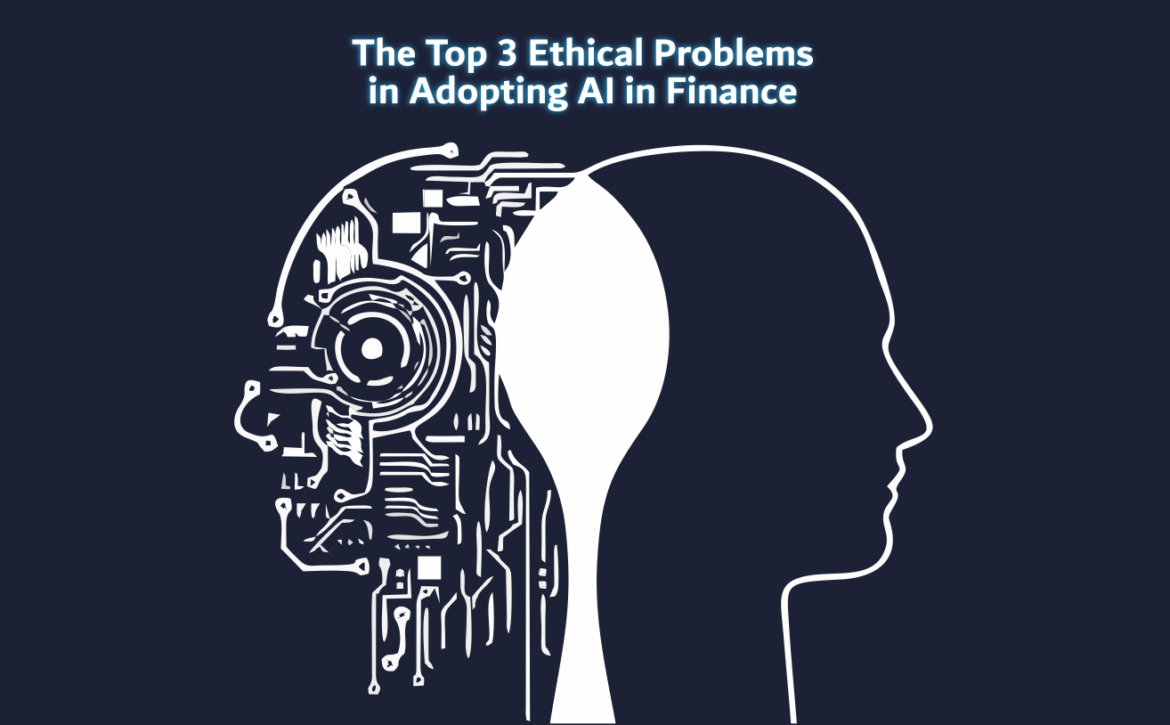
The Top 3 Ethical Problems in Adopting AI in Finance

Artificial intelligence (AI) is rapidly transforming the finance industry, promising increased efficiency, personalized services, and data-driven decision-making.

However, this transformation is not without its ethical challenges. As AI becomes increasingly integrated into financial systems, it’s crucial to address and navigate these challenges to ensure ethical adoption.

In this blog, we’ll explore the top three ethical problems in adopting AI in finance.

1. Data Privacy and Security

One of the foremost ethical dilemmas in AI-driven finance revolves around data privacy and security. Financial institutions and AI developers have access to vast amounts of sensitive user data, including financial transactions, personal information, and investment history. Safeguarding this data from unauthorized access or misuse is paramount.

The Challenge:

The temptation to monetize user data: Financial institutions may be tempted to exploit user data for financial gain, raising concerns about breaches of trust and privacy.

Bias and discrimination: AI algorithms that rely on historical data may perpetuate biases, leading to discriminatory outcomes in financial services, such as lending, insurance, and investment advice.

The Solution:

Strict data protection regulations and cybersecurity measures are essential to safeguard user information.

Transparent AI algorithms and ethical data collection practices can help mitigate bias and discrimination concerns.

2. Accountability and Transparency

As AI systems in finance become more complex and autonomous, questions of accountability and transparency become increasingly relevant. Who is responsible when an AI system makes a costly error in investment decisions or lending practices? How can individuals understand the reasoning behind AI-driven financial advice?

The Challenge:

Lack of human oversight: AI systems can operate independently, making it challenging to determine who should be held accountable for decisions.

The “black box” problem: Many AI algorithms, including deep learning models, are considered “black boxes” due to their complex decision-making processes, making it difficult to explain their choices.

The Solution:

Establish clear lines of responsibility within financial institutions and regulatory bodies for AI-driven decisions.

Develop explainable AI models that provide transparency in decision-making processes.

3. Job Displacement and Economic Inequality

While AI promises greater efficiency in finance, there are concerns about its impact on the workforce. Automation of routine financial tasks may lead to job displacement for many professionals, particularly in roles like data entry, analysis, and even customer service. This displacement raises concerns about economic inequality and job security.

The Challenge:

Job loss: The adoption of AI in finance may result in job loss for certain individuals, particularly those in lower-skilled roles.

Economic inequality: As AI-driven wealth accumulates in the hands of a few, economic inequality could widen.

The Solution:

Retraining and upskilling programs can help individuals transition to new roles in the evolving financial landscape.

Income redistribution mechanisms can address economic inequality concerns, ensuring that the benefits of AI adoption are distributed more equitably.

In conclusion, the ethical problems in adopting AI in finance are complex and multifaceted, requiring a concerted effort from financial institutions, regulatory bodies, and AI developers to address them.

By prioritizing data privacy, accountability, transparency, and addressing economic concerns, we can ensure that AI-driven finance benefits all while upholding ethical standards. As AI continues to evolve, these ethical considerations will play a crucial role in shaping the future of financial services.

www.finqup.com

Learn More

Elevating Wealth-Tech with EU Regulatory Compliance: Ensuring Trust and Security

In the rapidly growing world of wealth-tech, where finance meets technology, regulatory compliance has emerged as a cornerstone of success. As we’ve explored earlier, wealth-tech is reshaping the financial sector with innovative solutions that streamline operations, enhance user experiences, and drive growth. Amidst these exciting developments, the pivotal role of adhering to the rigorous standards set by the European Union (EU) cannot be overstated.

Navigating the Regulatory Landscape: A Necessity for Wealth-Tech Prosperity

In today’s digital age, marked by data breaches and privacy concerns, users demand and deserve the assurance that their sensitive information remains secure. Regulatory compliance isn’t merely a checkbox exercise; it’s the bedrock of trust and security upon which wealth-tech platforms are built.

Raising the Bar: EU Regulatory Standards for Data Security

At the heart of regulatory compliance in wealth-tech lies the stringent framework set by the EU. With data breaches growing in sophistication and privacy infringements becoming more frequent, the EU has taken a proactive stance to safeguard user data. For wealth-tech enterprises like FinqUP, adhering to these standards isn’t just a legal obligation; it’s a commitment to offering users a safe and secure environment.

Cultivating Trust and Loyalty

Regulatory compliance transcends legal requirements; it’s an investment in user trust and loyalty. When users are confident that their data is treated with the utmost care and in full alignment with the highest standards, they are more likely to engage with a platform and remain loyal to it. Trust is the currency of the digital realm, and regulatory compliance serves as its foundation.

Your Voice Matters: Join the Discussion

As we delve into the critical subject of EU regulatory compliance in wealth-tech, we value your insights. How crucial do you believe compliance is within the wealth-tech landscape? How does it influence your perception and trust in financial platforms? Share your thoughts in the comments below, contributing to this transformative conversation.

Upholding Trust: Shaping Wealth-Tech’s Future

In a landscape of rapid technological evolution, the role of EU regulatory compliance in wealth-tech takes on greater significance. Adhering to the stringent EU standards resonates throughout the industry, assuring users that their data is secure and their experiences are safeguarded. At FinqUP, we recognize that trust is cultivated through unwavering compliance, and we’re dedicated to maintaining the benchmarks that ensure a secure and trustworthy financial ecosystem.

As we continue to shape the trajectory of wealth-tech, regulatory compliance remains at the forefront of our commitments. Join us in journeying toward a more secure and reliable financial landscape.

Learn More

The Future of Wealth-Tech: Transforming Traditional Financial Institutions

In today’s fast-paced digital age, the financial sector is undergoing a profound transformation, and at the heart of this evolution is the rise of wealth tech.

This innovative blend of wealth management and technology is reshaping the way financial institutions operate, opening new avenues of growth, and changing the landscape of the industry as we know it.

The Era of Wealth-Tech: Defining the Landscape

Wealth-tech, short for wealth technology, encompasses a wide range of digital solutions aimed at revolutionizing how individuals manage, invest, and grow their wealth. From AI-powered financial advisors to intuitive investment platforms, wealth-tech is empowering individuals to take charge of their financial destinies.

Impact on Traditional Financial Institutions

As wealth-tech gains momentum, its impact on traditional financial institutions is becoming increasingly evident. Here are some of the ways in which this new wave of technology is reshaping the financial landscape:

  1. Enhanced User Experience: Wealth-tech platforms prioritize user-centric experiences, offering intuitive interfaces that simplify complex financial concepts. This shift towards user-friendly design challenges traditional institutions to improve their customer interactions and engagement strategies.
  2. Democratization of Finance: Wealth-tech is breaking down barriers to entry by making investment opportunities more accessible to a broader audience. Traditional financial institutions are now facing the challenge of adapting their services to cater to a diverse and digitally-savvy customer base.
  3. Personalized Financial Advice: AI-driven algorithms are delivering personalized financial advice, tailored investment strategies, and real-time market insights. This level of customization raises the bar for traditional institutions, prompting them to leverage technology to provide equally personalized offerings.
  4. Operational Efficiency: Wealth-tech streamlines processes and automates tasks, resulting in improved operational efficiency. Traditional financial institutions are now under pressure to optimize their workflows to remain competitive in this new era of efficiency.
  5. Data-Driven Insights: The wealth-tech revolution is generating vast amounts of data that can be analyzed to uncover valuable insights about customer behaviors and market trends. Traditional institutions need to harness data analytics to make informed decisions and drive strategic growth.

Engage with Us: What’s Your Take?

As we explore the future of wealth-tech and its impact on traditional financial institutions, we want to hear from you!

What are your thoughts on the changing landscape?

How do you envision the coexistence of wealth-tech and traditional finance?

Share your opinions and insights in the comments below and be a part of this transformative conversation.

Embrace the Future Today

The future of wealth-tech is here, and its influence on traditional financial institutions is undeniable. As technology continues to reshape the industry, traditional institutions are faced with a pivotal choice: adapt and innovate, or risk becoming obsolete. The wealth-tech revolution presents exciting opportunities for growth and progress, and those who seize them are poised to thrive in the dynamic world of finance.

Join us in embracing the future today.

🌐💼 #FinqUP #WealthTechRevolution #FinancialInnovation #FutureOfFinance

Learn More

Seamless Digital Onboarding and Enhanced Security with KYC & AML

In the rapidly evolving landscape of the financial sector, digitization is no longer a luxury, but a necessity.

Traditional financial institutions are being challenged to adapt to the digital era while maintaining the highest standards of security and compliance.

This is where FinqUP steps in, offering a game-changing solution that not only streamlines onboarding processes but also ensures robust security through digital AML KYC checks.

The Challenge: Bridging the Gap Between Convenience and Compliance

Traditional onboarding processes in the financial sector have often been arduous and time-consuming, burdening both institutions and clients.

At the same time, stringent regulations demand that financial institutions implement effective Anti-Money Laundering (AML) and Know Your Customer (KYC) checks to prevent fraudulent activities and ensure transparency.

The Solution: Digital Onboarding with AML KYC

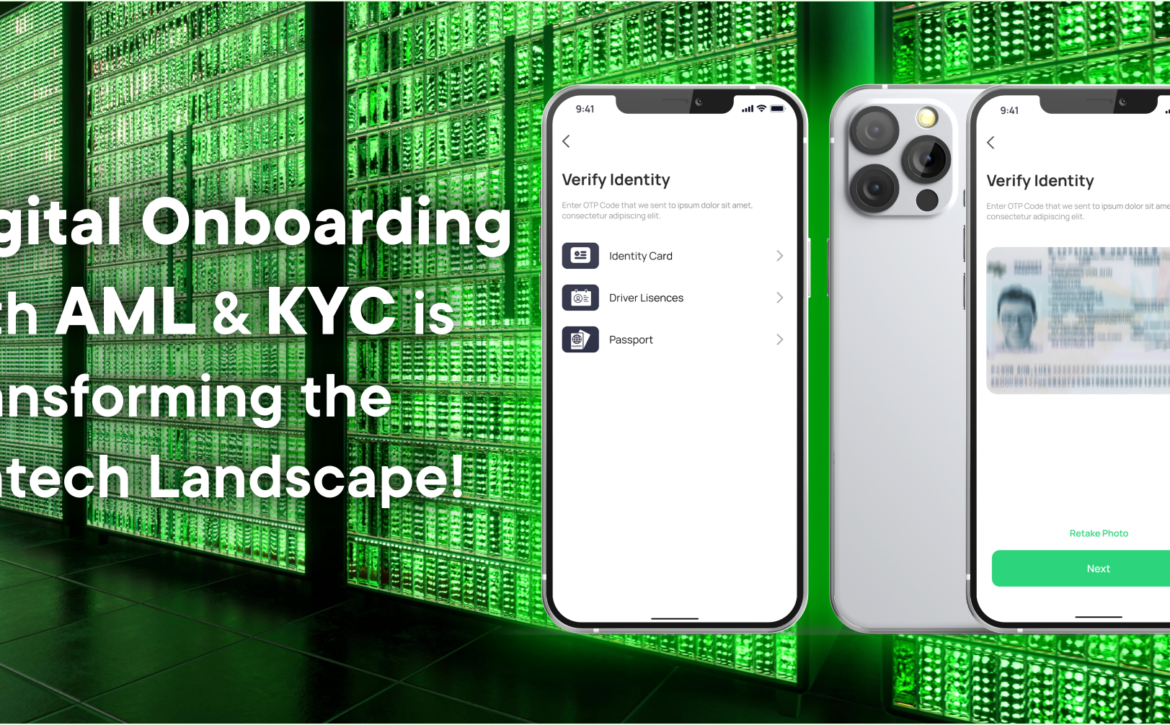
FinqUP addresses this challenge by introducing a seamless digital onboarding process powered by cutting-edge AML KYC technology. Here’s how it works:

1. Streamlined User Experience: With FinqUP, users can complete their onboarding process within a matter of minutes. No more endless paperwork and visits to physical branches. The platform offers a user-centric approach that prioritizes convenience without compromising security.

2. Enhanced Security: FinqUP’s AML KYC solution leverages advanced artificial intelligence and automation to conduct thorough checks on users’ identities. This ensures that the identity of each user is verified while detecting any suspicious activities in real-time. The result? A secure environment that protects both the financial institution and its clients.

3. Regulatory Compliance: Staying compliant with evolving regulations is a top priority for any financial institution. FinqUP’s AML KYC solution is designed to meet the highest regulatory standards, ensuring that institutions can confidently operate within the legal framework.

4. Seamless Integration: FinqUP’s digital onboarding and AML KYC solution seamlessly integrates with existing systems, minimizing disruption and allowing for a swift transition to the digital age.

5. Customer Trust: In an era where data breaches and identity theft are constant threats, clients demand robust security measures. FinqUP’s solution not only meets these demands but also fosters trust among users, leading to stronger and more enduring customer relationships.

Embracing the Future of Finance

The future of finance is digital, and FinqUP is at the forefront of this transformation. By combining seamless digital onboarding with advanced AML KYC technology, FinqUP empowers financial institutions to provide a frictionless experience to clients while ensuring the highest levels of security and compliance.

As the financial sector continues to evolve, embracing innovative solutions like FinqUP’s digital onboarding with AML KYC becomes not just a competitive advantage, but a necessity for institutions looking to thrive in a digital-first world. With FinqUP, the journey to a secure, efficient, and compliant financial ecosystem has never been clearer.

Learn More